
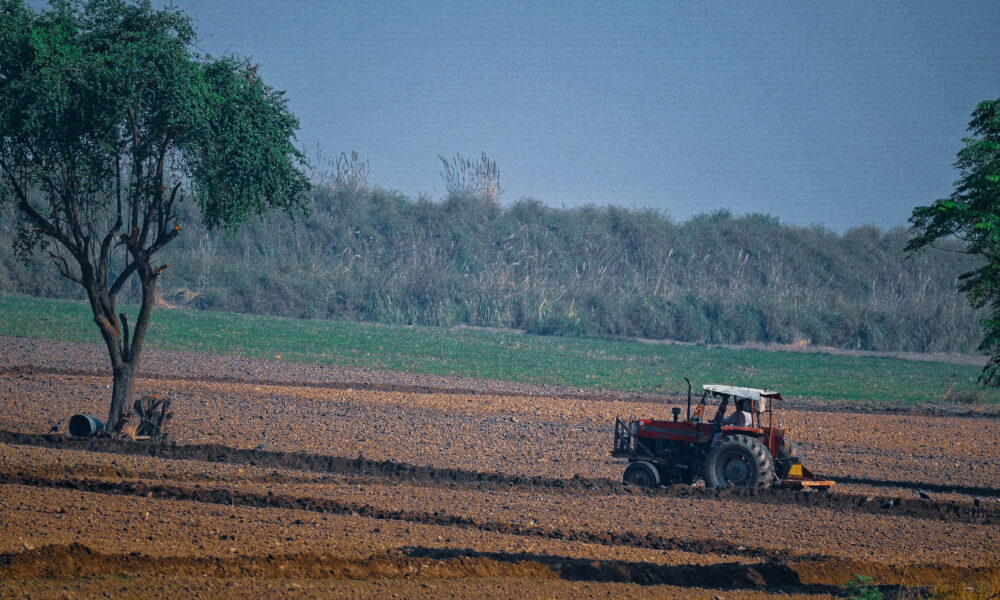
Punjab’s rain pattern is a reminder that farm resilience depends on more than crop choice. Roads, drainage, electricity, storage and local water arrangements determine whether growers can reach fields and move produce when conditions change.
The latest forecast calls for lighter rain through August 13, but its district-by-district variation still matters. A field that remains accessible in one part of the state may be cut off in another, while a short period of waterlogging can affect harvesting, transport and livestock care.
Weather information becomes useful only when it is connected to decisions. Farmers need timely local alerts, municipal teams need drainage plans and power agencies need contingencies for transformer failures during wet weather.
Investment in ordinary infrastructure—maintained farm links, functioning drains and dependable local advisories—can reduce losses more effectively than emergency announcements after a disruption. A weather-ready agricultural economy is built before the most difficult forecast arrives.